Tiny Teeth, Big Responsibility: Why Baby Teeth Matter More Than You Think
February 23, 2026

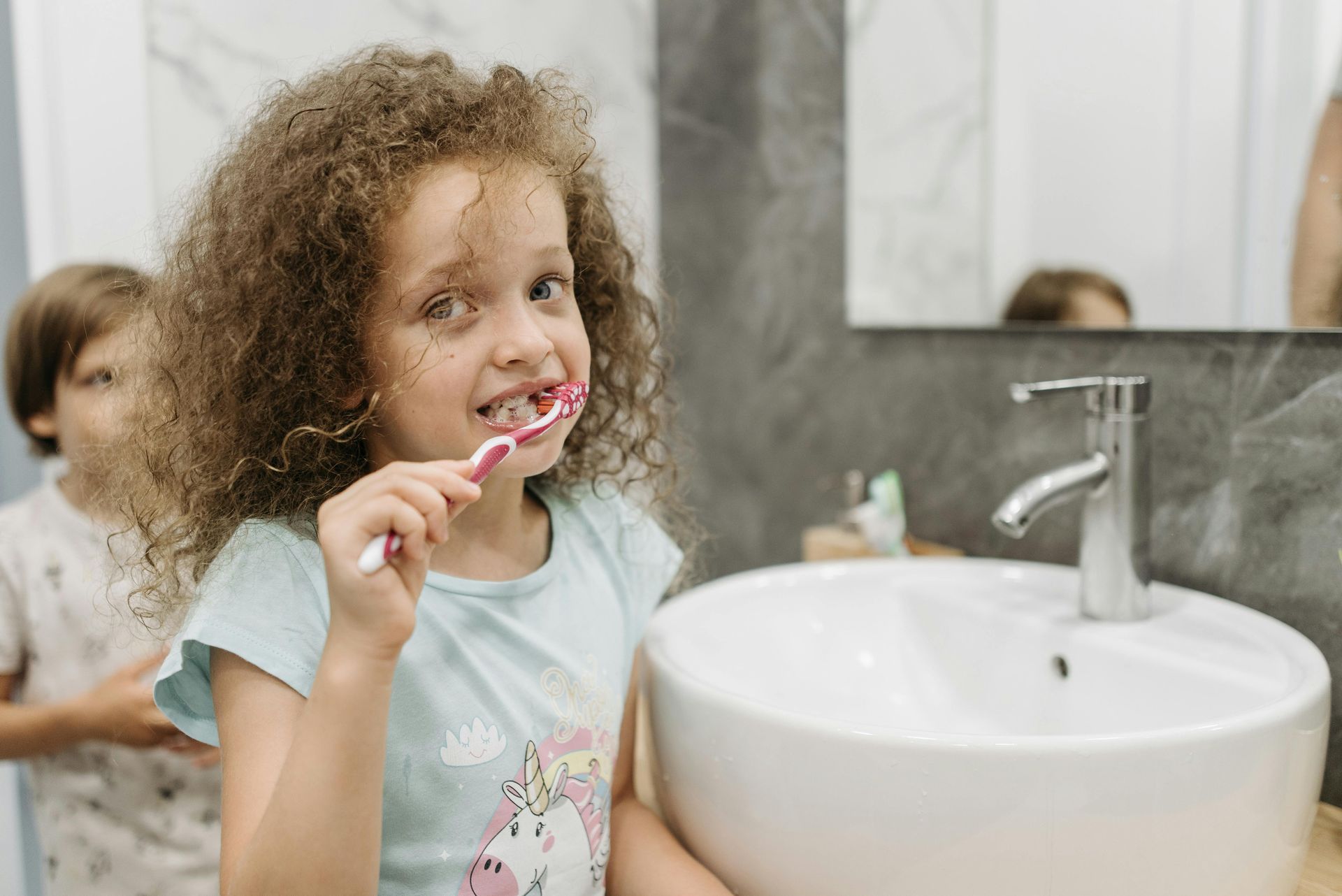
When parents first notice their child’s tiny pearly whites emerging, excitement often overshadows awareness. However, what many families fail to recognise is that these primary teeth—commonly known as baby teeth—are not merely temporary placeholders. In fact, they serve as the biological and structural foundation for a child’s lifelong oral health.
Understanding the importance of early dental care is not optional; rather, it is essential for preventing long-term complications and ensuring proper development.
The Critical Role of Baby Teeth
Although baby teeth eventually fall out, they perform several indispensable functions during childhood. First and foremost, they assist in proper chewing and digestion. Additionally, they support speech development by helping children articulate sounds correctly.
More importantly, baby teeth preserve the necessary space for permanent teeth. Without this guidance system, adult teeth may erupt improperly, leading to crowding or misalignment that later requires orthodontic correction. Therefore, maintaining healthy primary teeth directly influences the alignment and aesthetics of the future smile.
This is precisely why paediatric dental care
plays a pivotal role in early childhood development.
Early Tooth Decay: A Silent but Serious Concern
Unfortunately, the importance of baby teeth importance is often underestimated until complications arise. One of the most prevalent childhood conditions worldwide is early childhood cavities. These cavities can develop rapidly due to frequent snacking, sugary beverages, or inadequate oral hygiene.
Moreover, untreated decay may cause infection, pain, and even premature tooth loss. As a result, children may experience difficulty eating, speaking, or concentrating in school.
Consequently, preventive strategies must begin early. Establishing consistent brushing habits and scheduling routine professional evaluations significantly reduces the risk of decay.
How Baby Teeth Influence Permanent Teeth
Many parents assume that since baby teeth are temporary, problems associated with them are temporary as well. However, this assumption can be misleading.
When a primary tooth is lost prematurely due to decay or trauma, neighboring teeth may drift into the empty space. Subsequently, this displacement interferes with the proper eruption of permanent teeth. In severe cases, this can lead to malocclusion requiring extensive orthodontic treatment.
Thus, preserving baby teeth supports preventive dental treatment
and protects the integrity of future permanent teeth.
Establishing Strong Oral Hygiene Habits Early
Healthy routines cultivated during early childhood often persist into adulthood. Therefore, introducing consistent brushing with fluoridated toothpaste as soon as the first tooth erupts is very important.
In addition, parents should supervise brushing until the child demonstrates adequate dexterity. Limiting sugary snacks and encouraging water consumption also fortifies enamel and reduces acid attacks.
Equally important is scheduling the first dental visit by the child’s first birthday. Professional evaluations not only detect early concerns but also educate parents about optimal children's oral health
practices.
The Long-Term Benefits of Early Intervention
When families prioritize primary teeth care, the long-term advantages are substantial. Children experience:
Reduced risk of infection and pain
Improved speech clarity
Proper jaw development
Greater confidence in their smile
Lower likelihood of complex dental treatments in adulthood
Furthermore, early preventive visits foster familiarity and comfort with dental environments. Consequently, children are less likely to develop dental anxiety later in life.
When Should You Schedule a Visit?
Ideally, your child should see a dentist within six months of the first tooth appearing or by their first birthday—whichever comes first. Thereafter, regular check-ups every six months ensure ongoing monitoring and prevention.
If you notice discoloration, sensitivity, swelling, or persistent discomfort, prompt evaluation is strongly advised. Early intervention invariably leads to simpler and more conservative treatment solutions.
Invest in Your Child’s Future Smile
Baby teeth may be small, yet their impact is monumental. By acknowledging their significance and committing to proactive care, parents safeguard not only their child’s present comfort but also their future oral health.
Do not wait for problems to surface. Take a decisive step toward protecting your child’s smile today.
📅 Schedule an appointment with
📞 (732) 247-5959
Because tiny teeth truly carry a big responsibility—and your child deserves the strongest possible start.