
How Pacifiers and Thumb-Sucking Shape Your Child’s Smile
March 2, 2026

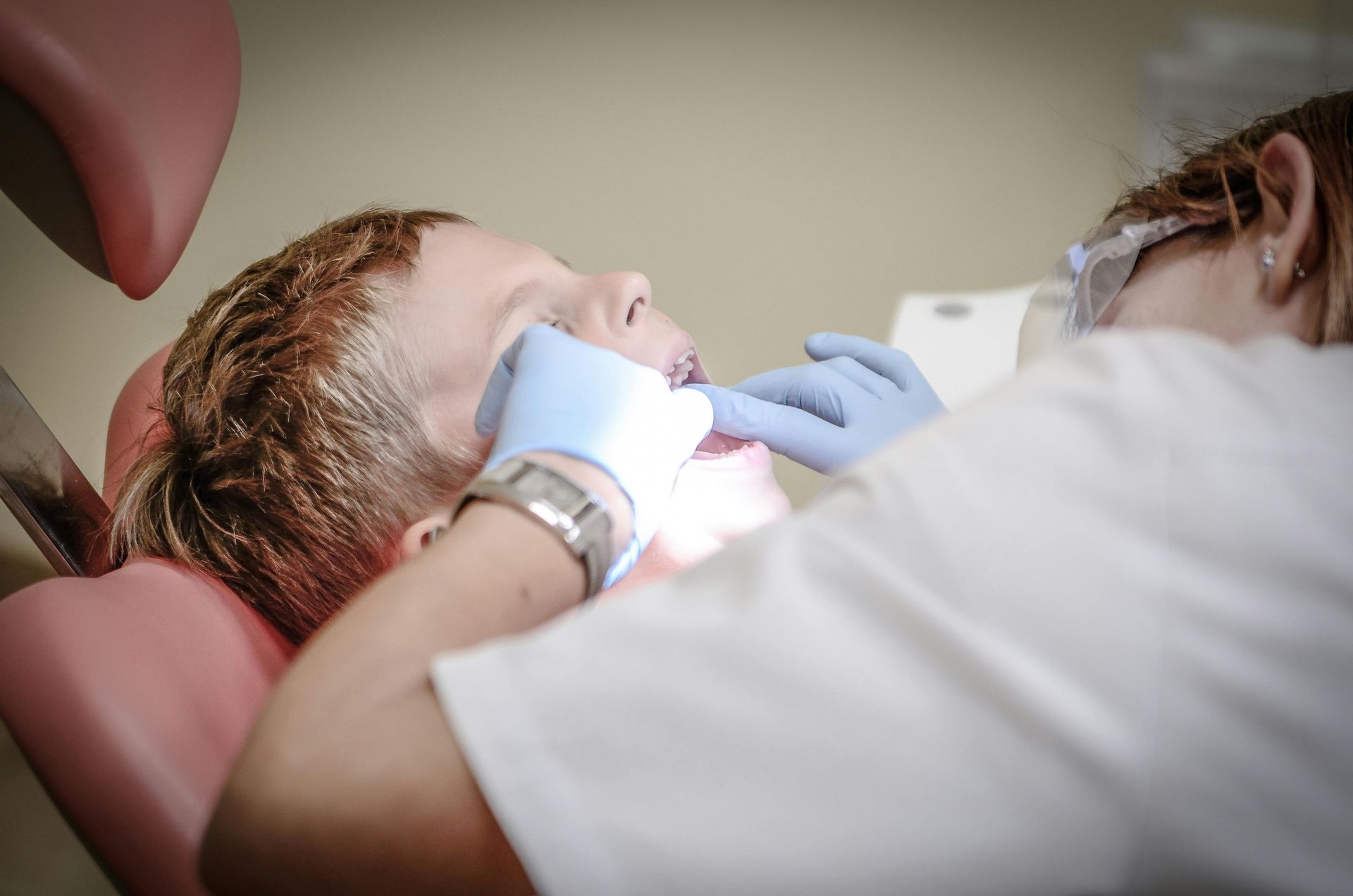
From the very beginning, babies rely on sucking for comfort and security. Pacifiers
and thumb-sucking are completely natural reflexes. In fact, these habits can soothe infants, help them sleep, and reduce stress. However, when these habits continue for too long, they may begin to affect your child’s oral development in ways many parents do not expect.
Therefore, understanding how these behaviors influence your child’s growing smile is essential for promoting healthy teeth in children
and supporting pediatric dental care.
How Early Comfort Habits Can Shape Your Child’s Dental Future
To begin with, a baby’s mouth is still developing. The bones of the jaw are soft, flexible, and constantly changing. Because of this, repeated pressure from a pacifier or thumb can gradually shift teeth and alter jaw growth.
While occasional use during infancy is usually harmless, prolonged habits—especially beyond age three—can interfere with proper child dental development.
As a result, dentists often monitor these habits closely during regular kids dental checkups.
How Pacifiers Can Affect Your Child’s Teeth
Pacifiers are convenient and widely used. However, extended or frequent use may contribute to dental changes over time.
For example:
- The upper front teeth may tilt outward
- The lower front teeth may tilt inward
- The upper and lower teeth may not meet properly (open bite)
- The roof of the mouth may narrow
Consequently, these changes can affect chewing, speech clarity, and overall facial growth.
This is why pacifier effects on teeth
should not be ignored, particularly if the habit continues past toddler years.
Thumb-Sucking and Jaw Development
Similarly, thumb-sucking
places constant pressure on the teeth, gums, and jaw. In some cases, it can have an even stronger impact than pacifier use because the thumb may rest deeper inside the mouth.
Over time, this may lead to:
- Misaligned teeth
- Bite problems
- Changes in jaw alignment
- Increased need for early orthodontic care
Therefore, addressing thumb-sucking and teeth alignment early can help prevent more complex treatments later.
When Should Parents Be Concerned?
Generally speaking, most children stop sucking habits naturally between ages two and four. If the habit decreases on its own, it may not cause lasting damage.
However, parents should seek guidance if:
- The habit continues after age four
- Permanent teeth begin to erupt
- You notice visible bite changes
- Your child sucks aggressively or frequently
At this stage, early evaluation supports pediatric dental care
and ensures proper monitoring of your child’s smile.
How These Habits Affect Long-Term Oral Health
Beyond alignment issues, prolonged sucking habits can influence overall child oral health. Misaligned teeth are harder to clean. As a result, plaque buildup increases, which may raise the risk of cavities and gum irritation.
Additionally, bite problems may affect speech development and chewing efficiency.
Therefore, early intervention is not just cosmetic—it is preventive and protective.
Gentle Ways to Help Your Child Stop
Fortunately, there are supportive strategies parents can use:
- Offer praise and positive reinforcement
- Gradually reduce pacifier use instead of stopping abruptly
- Provide comfort alternatives like a favorite toy
- Create a reward chart for progress
- Discuss the importance of growing “big kid teeth.”
Most importantly, remain patient. Sudden pressure or punishment may increase anxiety and prolong the habit.
If needed, your dentist can recommend safe appliances or additional solutions designed to support your child comfortably.
The Role of Early Dental Visits
Regular kids dental checkups allow professionals to monitor jaw growth and tooth positioning. Early guidance ensures that small concerns do not become larger orthodontic problems.
In many cases, when habits are addressed early, the teeth naturally return to their proper positions as the child grows.
Therefore, prevention and monitoring remain the most effective approach for child dental care.
Protect Your Child’s Growing Smile
Pacifiers and thumb-sucking are normal parts of childhood. However, prolonged habits can influence the way your child’s teeth and jaws develop. With early awareness and gentle guidance, parents can help ensure healthy growth and avoid future complications.
If you have concerns about your child’s dental development, now is the ideal time to seek professional advice.
📅 Schedule an appointment today:
📞 (732) 247-5959
Because a confident, healthy smile begins with the right care—right from the start.