
Why Do My Gums Bleed When I Brush? 9 Causes Dentists Want You to Know

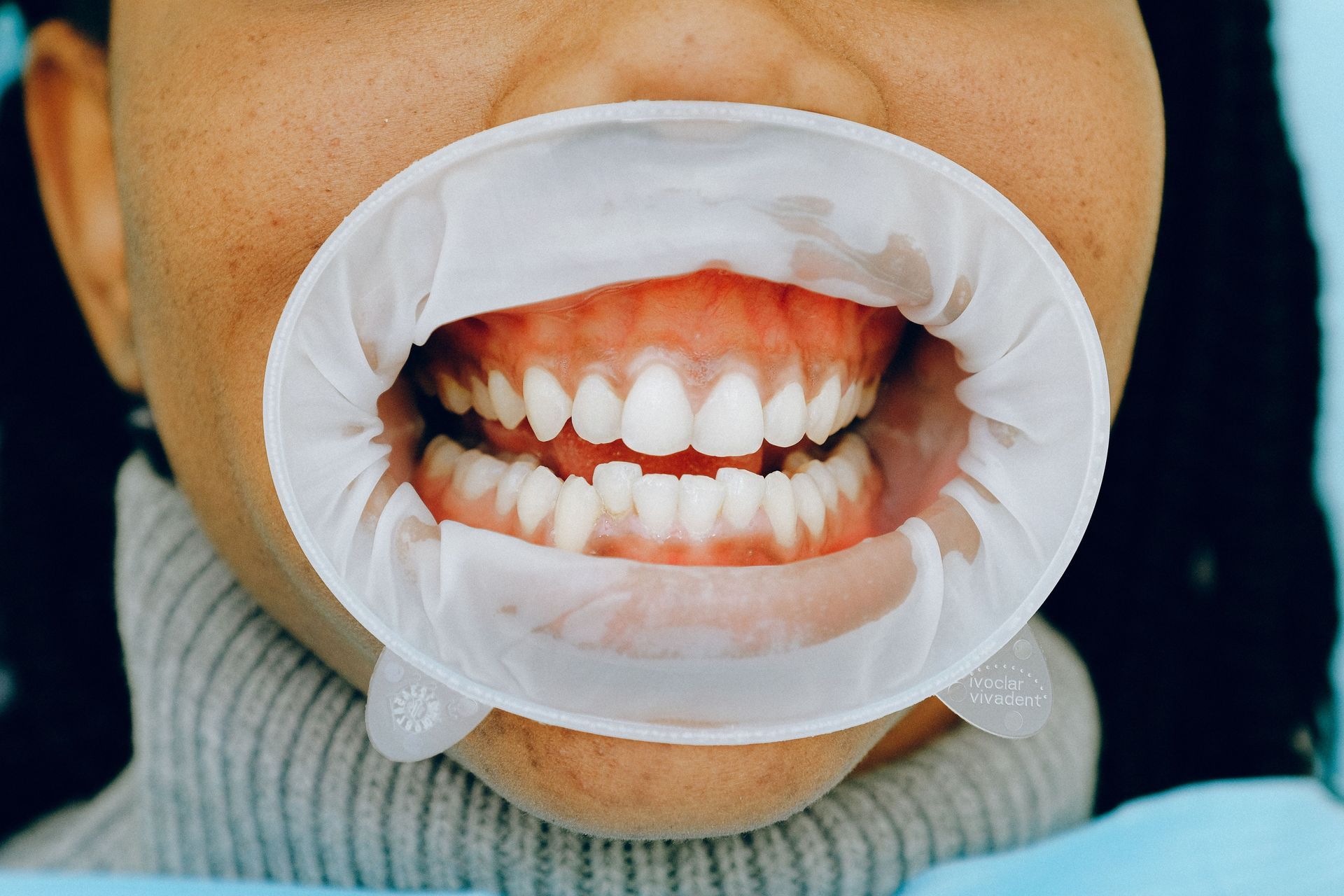
Seeing blood when you brush your teeth can feel a little worrying. Many patients tell us they are unsure whether it’s something serious or just a temporary issue.
The truth is simple—healthy gums should not bleed regularly. If you are noticing bleeding, it’s usually your body’s way of telling you that something needs attention.
The good news is that most causes of bleeding gums are treatable, especially when caught early. Our team is here to help you understand what’s happening and guide you toward healthier gums and a confident smile.
Let’s look at the most common reasons why gums may bleed when brushing.
1. Gingivitis (Early Gum Disease)
Gingivitis is the most common cause of bleeding gums. It happens when plaque and bacteria build up along the gumline, leading to irritation and inflammation.
You may notice:
- Red or swollen gums
- Bleeding while brushing or flossing
- Mild gum tenderness
- Bad breath
The encouraging part is that gingivitis is reversible in many cases. With proper care and regular Dental Cleaning Somerset NJ, gum health can often be restored before it becomes more serious.
Early treatment is important because it helps prevent long-term damage.
2. Brushing Too Hard
Brushing harder does not mean cleaner teeth. In fact, it can damage your gums and cause bleeding.
A soft-bristled toothbrush and gentle circular motions are enough to clean your teeth effectively without irritating gum tissue.
Small changes in brushing habits can make a big difference in gum comfort and health.
3. Plaque and Tartar Buildup
Even with good brushing, plaque can build up in certain areas of the mouth. When it hardens into tartar, it becomes difficult to remove at home.
Tartar can irritate the gums and lead to bleeding and inflammation.
Professional cleanings help remove this buildup and reduce the risk of gum disease.
4. Not Flossing Regularly
If you’ve recently started flossing after a long break, some bleeding may occur at first. This is usually due to gum inflammation caused by trapped plaque.
With daily flossing, gums usually become healthier within a short time.
Consistency is key.
5. Vitamin Deficiencies
Low levels of Vitamin C or Vitamin K can make gums more sensitive and prone to bleeding.
A balanced diet with fruits, vegetables, and nutrient-rich foods supports both gum health and overall wellness.
6. Hormonal Changes
Hormonal changes during pregnancy, puberty, menopause, or menstruation can make gums more sensitive.
During these times, gums may react more strongly to plaque and bacteria, leading to temporary bleeding.
Regular dental checkups can help manage these changes effectively.
7. Certain Medications
Some medications, especially blood thinners, may increase gum bleeding.
If you notice changes after starting a new medication, it’s important to inform your dentist so the cause can be properly evaluated.
8. Smoking and Tobacco Use
Smoking affects blood flow in the gums and weakens the body’s ability to fight infection.
This increases the risk of gum disease and makes healing slower.
Improving oral health often starts with reducing or quitting tobacco use.
9. Gum Disease Progression (Periodontitis)
If gingivitis is not treated, it can progress into periodontitis—a more advanced form of gum disease.
Possible signs include:
- Frequent bleeding gums
- Gum recession
- Loose teeth
- Persistent bad breath
- Pain while chewing
Patients experiencing these symptoms may require Gum Disease Treatment Somerset NJ or Periodontal Treatment Somerset NJ to prevent further damage.
When Should You See a Dentist?
Many patients hope bleeding gums will go away on their own, but ongoing symptoms should not be ignored.
It’s a good idea to seek evaluation if:
- Bleeding happens regularly
- Gums feel swollen or tender
- You notice persistent bad breath
- Your gums appear to be pulling away from teeth
Early care often makes treatment simpler and more effective.
Frequently Asked Questions
1. Is it normal for gums to bleed when brushing?
No, healthy gums should not bleed regularly. Occasional bleeding may happen, but consistent bleeding is usually a sign of gum inflammation.
2. Can bleeding gums go away on their own?
Sometimes improving brushing and flossing helps, but if bleeding continues, a dental exam is important to identify the real cause.
3. Can bleeding gums be an early sign of gum disease?
Yes. Bleeding gums are often one of the first signs of gum disease. Early treatment can prevent more serious problems later.
4. What should I do if I’m worried about bleeding gums?
The best step is to schedule a dental visit. A professional evaluation helps identify the cause and guide the right treatment for your situation.
We’re Here to Help
If you’ve been noticing bleeding gums, you don’t have to ignore it or feel unsure about what to do next.
Our team takes a gentle and personalized approach to care. We listen to your concerns, explain what’s happening in simple terms, and help you choose the right treatment for your needs.
Whether it’s early gum inflammation or more advanced gum concerns, the goal is always the same—help you achieve healthier gums and long-term oral health.
Schedule Your Visit
📍 1553 NJ-27 #3800, Somerset, NJ 08873
📞 (732) 247-5959
🌐 https://www.amdentalartssomerset.com/
If you’re dealing with bleeding gums or simply want a professional checkup, we’re here to help you take the next step toward a healthier smile.